
1. Background: What is Cyclone Ditwah?
Cyclone Ditwah was a tropical storm in the North Indian Ocean basin during late November–December 2025. According to meteorological data, Ditwah formed from a marked low pressure on 26 November 2025, intensified into a cyclonic storm, made landfall in Sri Lanka on 28 November, and lingered over the island before moving into the Bay of Bengal and approaching India. Wikipedia
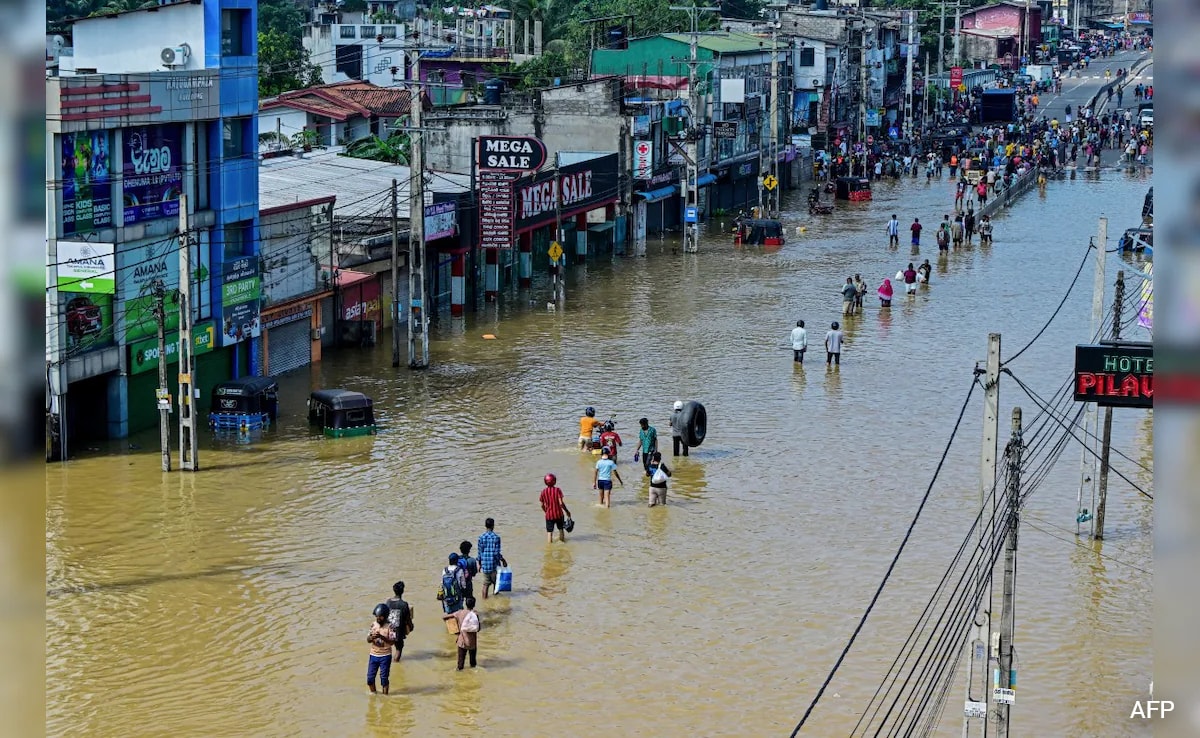
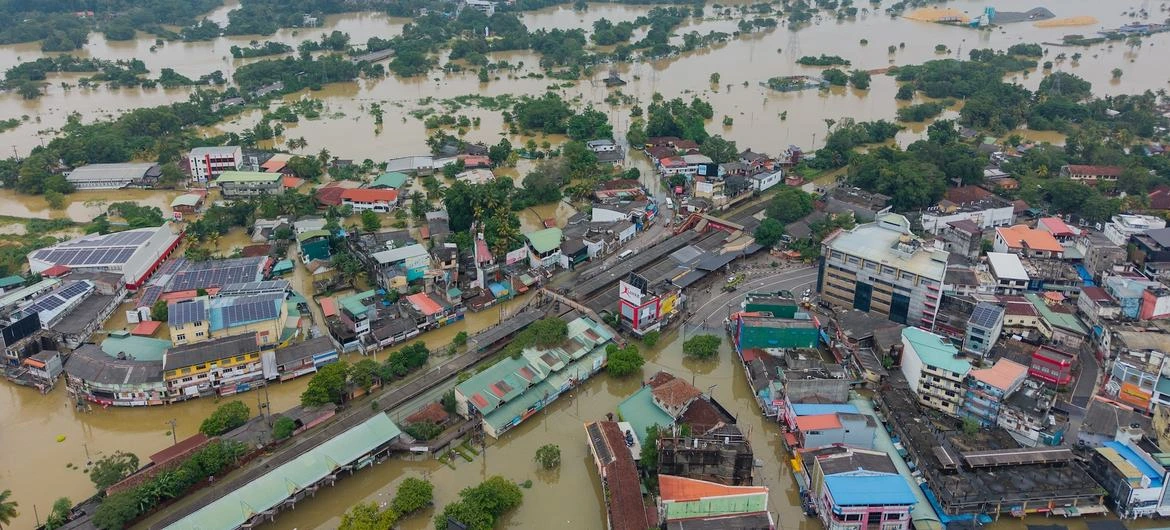
Despite not being among the strongest cyclones in wind speed, Ditwah produced exceptionally heavy rainfall and slow-moving weather patterns, which led to widespread flooding and thousands of landslides. This unusual combination made Ditwah one of the deadliest and costliest natural disasters in Sri Lanka’s recent history. Observers also note that warmer sea surface temperatures may have contributed to the storm’s moisture load, increasing rain-based destruction even though winds remained moderate. Reddit
International video sources showing early impact:
2. Forecasting and Warnings (Who, When, How)
Forecasts
-
Sri Lanka Meteorological Department (Met Dept.) and the India Meteorological Department (IMD) issued cyclone watches and warnings in mid-November 2025 as the low developed.
-
International forecasting bodies (IMD, WMO) provided trajectory models showing Ditwah crossing Sri Lanka’s eastern coast.
-
News reporting and social media documented red alerts and evacuation orders issued days before landfall.
Communication and Timing
-
Emergency alerts were disseminated to government agencies, disaster management authorities, and the public roughly 24–48 hours before landfall.
-
Met Dept bulletins, DMC (Disaster Management Centre) announcements, and international forecast models were the basis for early warnings.
3. Landfall and Immediate Impact
Date & Location
-
Made landfall: 28 November 2025, on Sri Lanka’s eastern coast.
(UNICEF Flash Note) UNICEF
Weather Conditions
-
Torrential rainfall, exceeding 200–350 mm in 24 hours in central and eastern regions;
-
Extensive floods and landslides in hill districts (Kandy, Badulla, Nuwara Eliya). UNICEF
4. Nature of Hazards
Ditwah’s main hazards were:
-
Extreme Rainfall and Flooding:
Entire river basins and lowland regions inundated, with floodwaters covering around 20% of the country (~1.1 million hectares). Daily Mirror -
Landslides:
United Nations data reported over 1,200 landslides triggered, particularly in the central highlands. eos.org -
Infrastructure Failure:
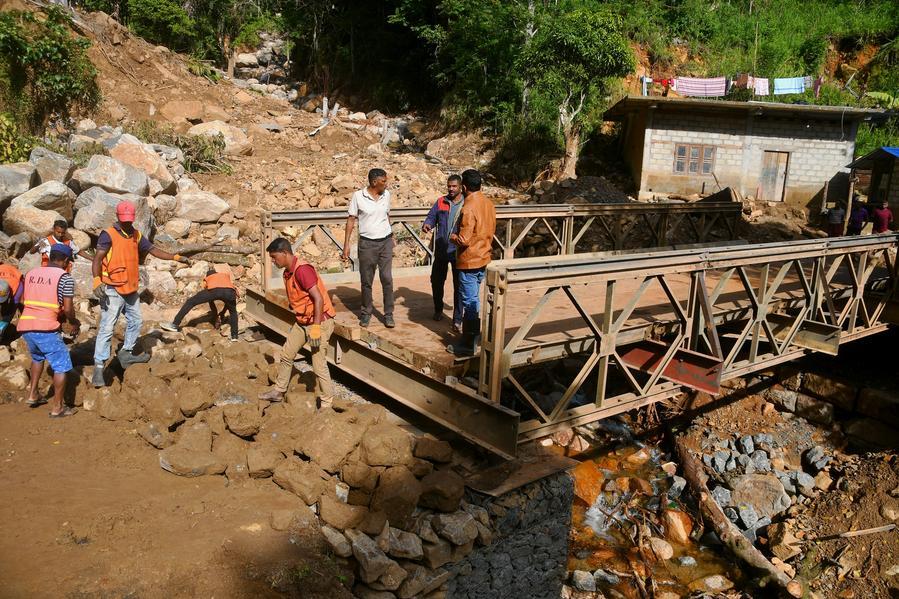
Roads, bridges, railways, and utilities (electricity, water systems) were severely disrupted. Daily Mirror
5. Human & Social Impact
Casualties
-
At least 640+ deaths and 180+ missing persons reported in Sri Lanka according to consolidated data. Wikipedia
Displacement
-
Over 2.2 million people affected, with nearly 90,000 living in temporary shelters. UNICEF
Education and Services
-
Schools closed or converted into shelters; exams postponed; health facilities flooded, limiting medical access. UNICEF
6. Economic & Infrastructure Losses
Total Damage
-
World Bank rapid post-disaster assessment estimates ~US$4.1 billion in direct damages — roughly 4% of Sri Lanka’s GDP. Reddit
Housing & Buildings
-
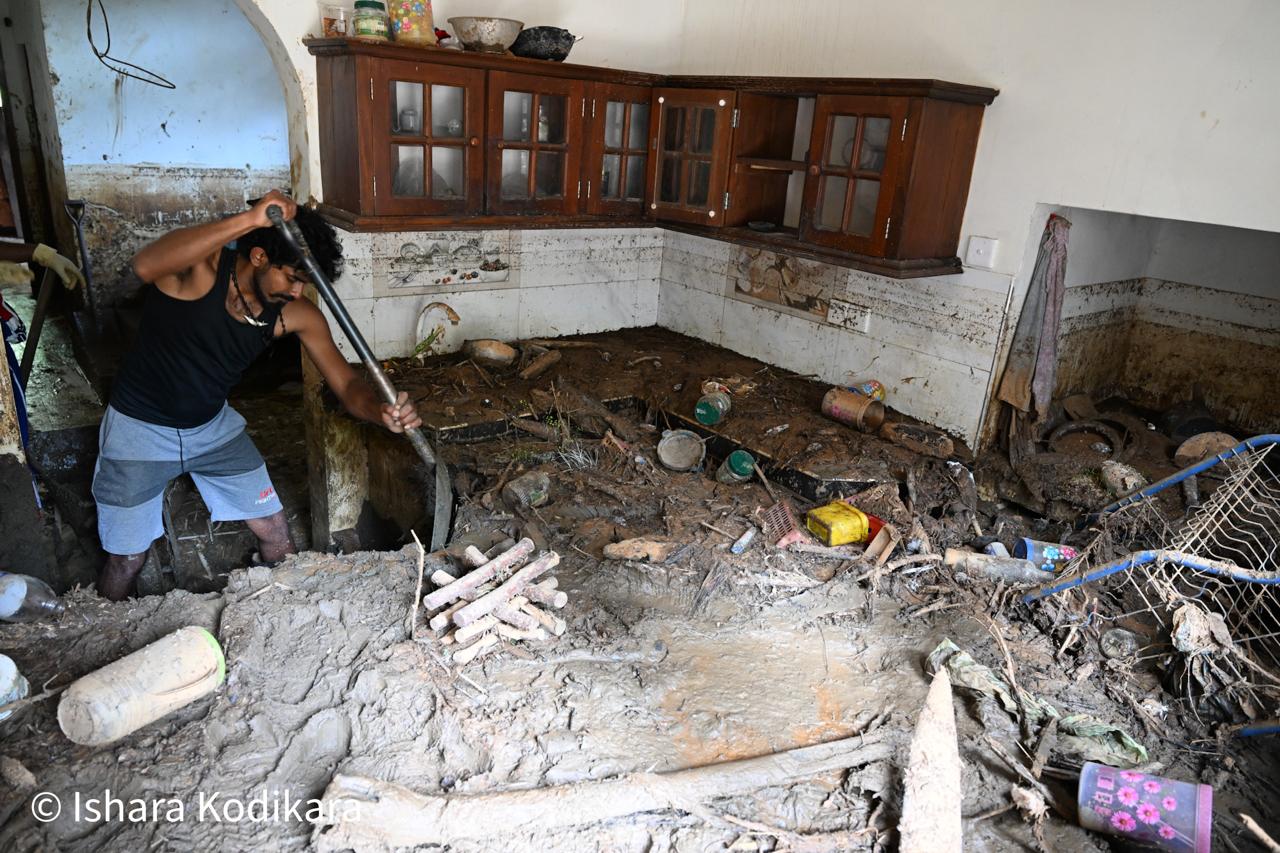
Thousands of homes destroyed or severely damaged.
-
Over 5,000 houses fully destroyed and tens of thousands partially damaged. Daily Mirror
Utilities
-
Peak power outages affected millions; by mid-December, 99% of power was restored. english.newsfirst.lk
Agriculture & Market Sectors
-
Crop losses (vegetables, paddy), poultry and livestock: nearly half a million poultry lost. Hiru News
-
Vegetable prices sharply fluctuated due to supply disruptions. Ceylon Today
Business Activity & Economy
-
Vehicle market and consumer sectors collapsed immediately post-storm. Hiru News
-
Sri Lanka’s anticipated 2026 growth was downgraded due to cyclone effects. East Asia Forum
Environmental Damage
-
Central Highland ecosystems suffered severe but still incompletely documented impacts. Mongabay News
7. Government and Opposition Response
Sri Lankan Government Actions
-
Declared state of emergency; mobilised 25,000+ personnel. The Watchers
-
Search and rescue operations nationwide.
-
Social protection measures initiated for displaced families.
Parliament & Opposition
-
Bipartisan support for emergency response; parliamentary discussions on long-term recovery.
8. International Assistance
Humanitarian Aid
-
UNICEF, UNFPA, IOM, IFRC, and others issued appeals for millions in humanitarian funding. ReliefWeb+1
Foreign Military & Logistics Support
-
U.S. forces delivered critical supplies and logistical support. DVIDS
-
Indian Army under Operation Sagar Bandhu helped rebuild key infrastructure (bridges, roads) and expedite recovery. Travel And Tour World
9. Recovery and Current Status (as of January 2026)
-
Tourist arrivals being encouraged as part of economic recovery; target of 3 million tourists in 2026 to support rebuilding. Reuters
-
Infrastructure systems progressively restored.
-
Continued humanitarian support for vulnerable groups.
Major global and relief organization sources (save for records):
-
UNICEF Cyclone Ditwah Flash Notes UNICEF Emergency Flash Note (PDF)
-
World Bank post-disaster assessment summary Reddit